
What the Putnam County Current Owner Record Shows
Putnam County keeps ownership, assessment, taxation, mapping, and approvals in separate records. The split is deliberate. Match the SBL parcel number across sources, then confirm time-sensitive facts with the office holding the original record.
| Owner of Record | verified Putnam County source information |
|---|---|
| Vesting / Tenancy | verified Putnam County source information |
| Mailing Address | verified Putnam County source information |
| Situs Address | verified Putnam County source information |
| Deed Reference | verified Putnam County source information |
| Ownership Since | verified Putnam County source information |
One parcel, many custodians. That is the Putnam County reality. Ownership lives with the Clerk, value with the assessors and Real Property, taxes with Finance, and approvals with towns and villages. The SBL parcel number is the thread, and the office keeping the original record settles anything time-sensitive.
Confirming the Current Owner in Putnam County
No single screen in Putnam County tells the whole ownership story. Deeds, assessment rolls, tax bills, plats, and permit files each answer one question in their own system. Carry the SBL parcel number from source to source, and treat the office that keeps the original record as the authority on anything time-sensitive.
- Follow the official portal and preserve the parcel number and source date for the next record check.]
- Follow the official portal and preserve the parcel number and source date for the next record check. to confirm vesting]
- Follow the official portal and preserve the parcel number and source date for the next record check.
- Follow the official portal and preserve the parcel number and source date for the next record check.
- Owner of record
- verified Putnam County source information
- Vesting
- verified Putnam County source information
- Registered agent
- verified Putnam County source information
Reaching a Putnam County Property Owner
Reaching an owner takes more than a name. Putnam County splits ownership, assessment, taxation, mapping, and municipal approvals across separate records, so contact details surface in different places depending on what you need. The SBL parcel number links those systems, and the original custodian confirms anything that shifts with time.
Lawful use. Public records support lawful property research and due diligence, but they do not authorize harassment, intimidation, or harm; verify important conclusions with the record custodian.
Fields Behind a Putnam County Parcel Result
The official parcel-layer metadata identifies owner, mailing, sale, value, acreage, lot, and legal-description fields.
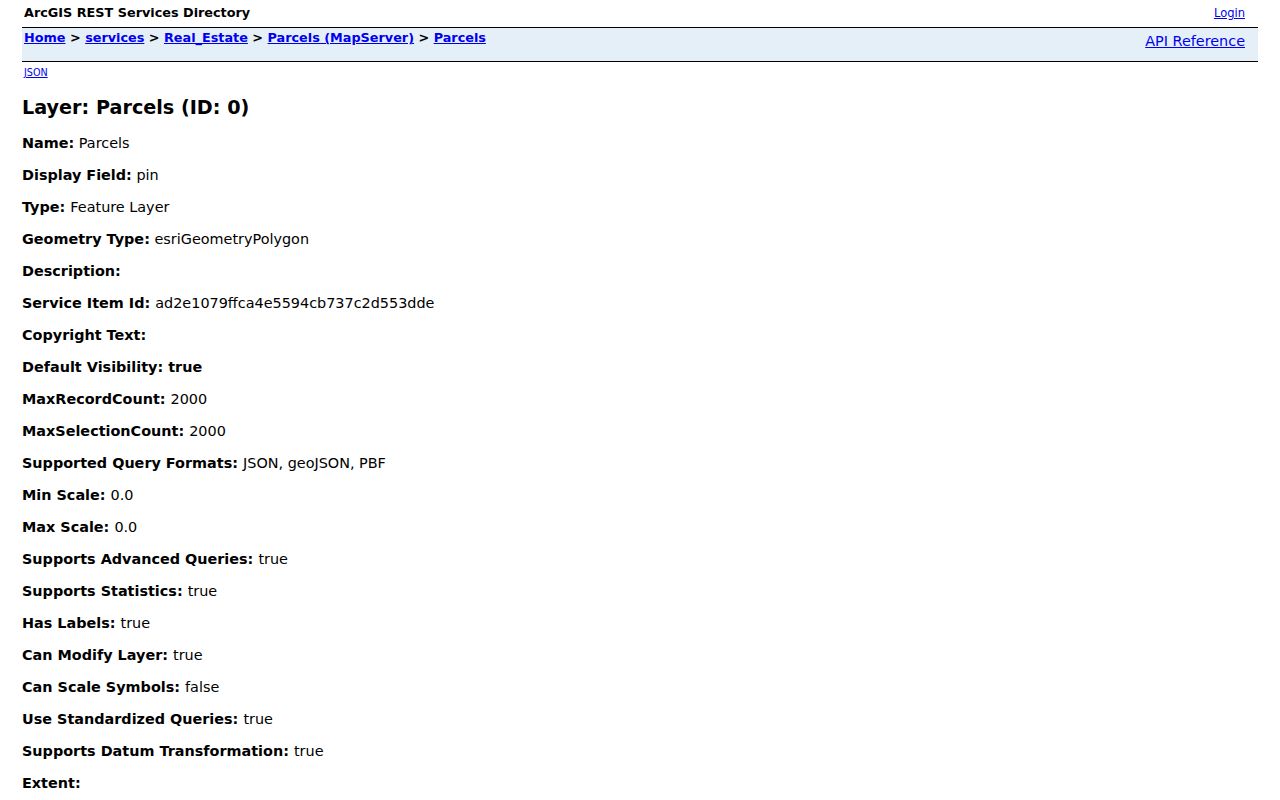
The parcel result shows more than a name. Its fields explain why the parcel number is the sturdiest bridge between one search result and the rest of the county's property records, from rolls to deeds to maps.
When Putnam County Current Owner Sources Disagree
When two Putnam County sources disagree on the owner, start with the right tool for each. The assessment roll is the workhorse for the current owner field, mailing address, situs, parcel number, and assessment context. The deed index does the confirming. It shows the latest recorded grantee. Putnam County checks deeds and transfer forms weekly. Even so, no fixed number of days is promised before every public screen refreshes. Record both source dates whenever the names differ.
A recent deed usually explains the gap. Search the roll owner in SearchIQS, then hunt forward by date and parcel context for a later conveyance. Compare municipality, legal description, prior deed reference, and document number before trusting a match. Never rely on a common name alone. An LLC, trust, or estate can be the owner of record while someone else receives the mail or uses the site. The free recording alert can flag later name matches, but a flagged name is not proof it concerns the same person or parcel.
Source Notes for Putnam County Records
A careful lookup keeps notes on paper. It should record the office, portal, search key, record date, and access date together. The address is only a starting point. The SBL is the stronger key when you move between systems. Names call for spelling and entity checks before you trust a match. An index entry points to a source document, yet it never replaces the document itself. A parcel map gives geographic context, not a surveyed line. An assessment states a value for one roll year. It is not a current opinion of what a sale might bring. A tax screen reports a bill or payment status. That status covers a chosen year, not the full title history. Keeping these distinctions straight makes any Putnam County records work clear and reproducible.
When an online result comes back incomplete, contact the named custodian with a narrow request. State the municipality, address, SBL, record class, and date span you need. Route each question to the right office. The County Clerk handles recorded instruments. Real Property or the town assessor keeps the rolls and maps. Finance answers county tax matters. Villages and towns hold permits and zoning. Verify any consequential conclusion against the original record itself.
Reading the Present Putnam County Owner Record
A useful present-owner card blends several fields. The assessment owner field, mailing address, situs address, SBL, roll year, sale clue, and deed reference each do different work. Situs identifies the land. Mailing shows where notices go. The owner field reflects the assessment system at its update point. None of them says who physically occupies the property.
Confirm the card through the latest deed. Search the roll owner as grantee. Compare municipality and legal description. Note the execution and recording dates. Then check for a later conveyance in which that owner appears as grantor. A book and page or document number beats a name match every time. For an LLC, trust, or estate, keep the exact vesting language. Do not shorten it to a person.
Putnam staff review deeds and transfer reports weekly, then update ownership and maps. That is a regular workflow, not a guaranteed live refresh. When the roll and the deed differ after a closing, record both dates. Use the newer instrument to explain the pending public update. An annual roll can remain historically correct for its stated year.
Mailing addresses carry legal limits. They may point to a manager, a trustee, a post-office box, or an address outside New York. So treat them as a contact route rather than residence evidence. Use public owner data for legitimate property contact and diligence. The Address Confidentiality Program also lets eligible protected persons use a substitute address. So the public field must never be used to uncover a protected location.
Date the Current Owner Answer
Date the answer. Say when Beacon was checked and when the confirming deed was recorded. Small note, big payoff. It keeps a valid current-owner conclusion from being treated as permanent after another conveyance.