
How to Find Who Owns a Putnam County Property
Putnam County splits ownership, tax, and map records. A deed shows the vesting owner, the assessor's roll shows the owner of record for the roll year, and the GIS map shows the parcel lines. Match the SBL number across them all, and let the office that keeps the original settle anything that changes with time.
- Follow the official portal and preserve the parcel number and source date for the next record check. for the owner of record]
- Follow the official portal and preserve the parcel number and source date for the next record check.]
- Follow the official portal and preserve the parcel number and source date for the next record check.
- Follow the official portal and preserve the parcel number and source date for the next record check.
Where Putnam County Owner Information Comes From
Several offices feed the owner record. In Putnam County, ownership, assessment, taxation, mapping, and municipal approvals each live in their own official records, so a name found in one place may not appear in another yet. The SBL parcel number is the matchmaker.
| Source | Owner Info It Gives | Access |
|---|---|---|
| Assessor / tax roll | verified Putnam County source information | verified Putnam County source information |
| Recorder deed index | verified Putnam County source information | verified Putnam County source information |
| Secretary of State | verified Putnam County source information | verified Putnam County source information |
| GIS parcel viewer | verified Putnam County source information | verified Putnam County source information |
There is no master owner file. Putnam County keeps ownership, assessment, taxation, mapping, and municipal approvals in separate official records, and each system updates on its own schedule. Match the SBL parcel number from one to the next. Check anything time-sensitive with the original record's keeper.
What "Who Owns This Property" Cannot Tell You
A parcel result has limits. Putnam County keeps ownership, assessment, taxation, mapping, and municipal approvals in separate records, so no single answer covers them all. The SBL parcel number bridges those systems. For anything time-sensitive, the office holding the original record gets the last word.
Lawful use. Public records support lawful property research and due diligence, but they do not authorize harassment, intimidation, or harm; verify important conclusions with the record custodian.
Fields Behind a Putnam County Parcel Result
The official parcel-layer metadata identifies owner, mailing, sale, value, acreage, lot, and legal-description fields.
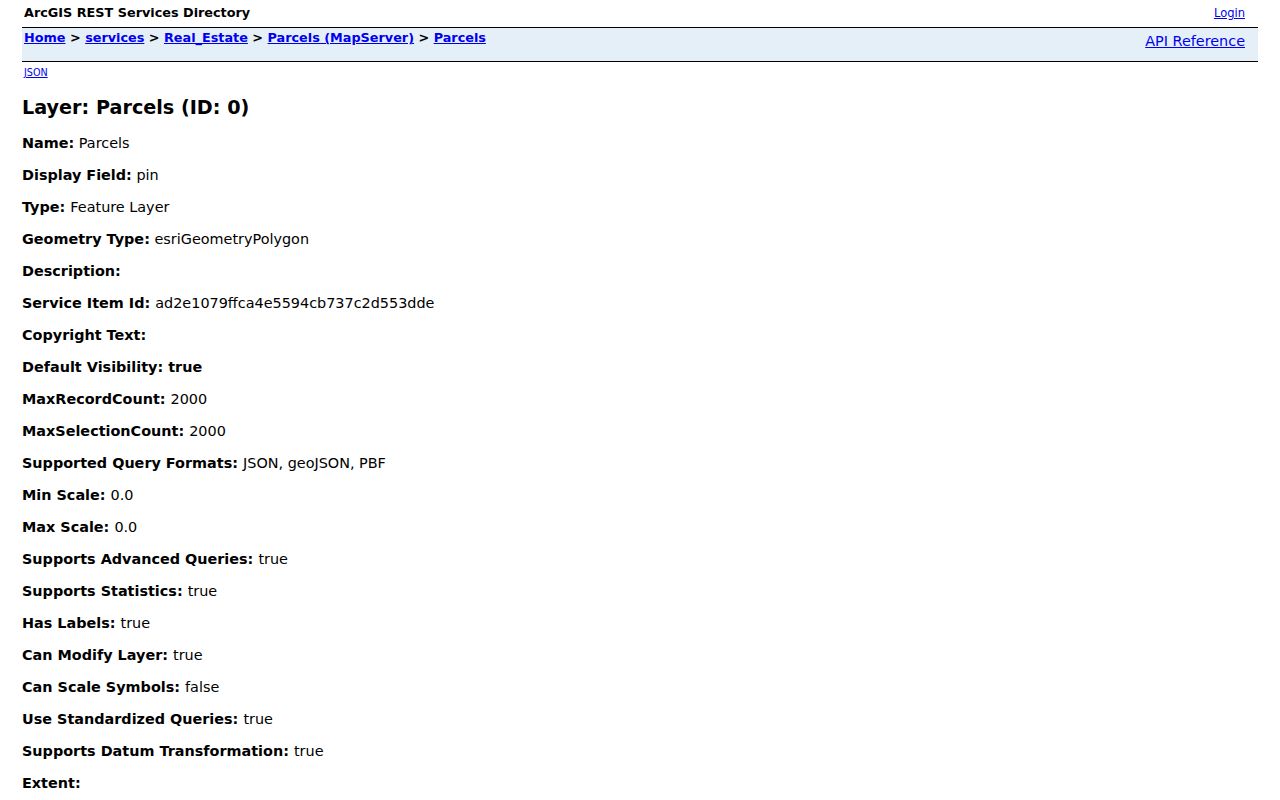
A parcel result carries many fields. That field list shows why the parcel number works as the best bridge from a search result to the rest of the county's property records, from deed records to the tax roll.
Entity and Timing Clues for a Putnam County Property Owner
A name on Beacon can hide a puzzle. The owner of record may be a person, an LLC, a trust, an estate, or a fiduciary acting for someone else. Copy it exactly. Punctuation and the full entity style matter before the name goes into SearchIQS. For a New York business entity, the Department of State business search can confirm the organization, but a registered agent is a contact for the entity rather than automatic proof of ownership. Trust and estate entries need more care. The deed, probate context, or a fiduciary instrument may be needed to explain the vesting.
Putnam staff check deeds and RP-5217 transfer reports weekly and send ownership and map changes into the assessment and GIS workflow. That verified process sets no guaranteed public update interval. After a recent closing, compare the roll owner with the grantee on the newest recorded deed. Keep the mailing address and the situs address apart. The first shows where assessment notices go. The second identifies the land, and neither address proves who actually occupies the property.
Source Notes for Putnam County Records
A few habits keep Putnam County record work accurate. Note the office, portal, search key, and record date for anything you rely on. An address is only a starting point. The SBL parcel number is the stronger cross-system key. Names call for spelling and entity checks. An index entry points to a source document but does not replace it. A parcel map gives geographic context, not a surveyed line. An assessment states a value for a given roll year, not a present sale opinion. A tax screen shows one bill for one year, not a full title history.
When an online result falls short, contact the named custodian with a narrow request. Give the municipality, address, SBL, record class, and date span. The County Clerk handles recorded instruments. Real Property or the town assessor handles rolls and maps. Finance handles county tax matters. The town or village handles permits and zoning. Verify consequential conclusions against the original record.
Ownership Names That Need a Second Putnam County Check
Names on the assessment roll take many forms. One parcel can list a single person, co-owners, a corporation, an LLC, a trust, an estate, or a fiduciary. Copy the name exactly. Keep the mailing address too, though the person receiving mail may not occupy the parcel. When an entity holds title, the New York business search shows its organization. It also shows its current status. A registered agent is only a contact point for that entity. It is not proof of who truly benefits from the ownership.
Trusts and estates call for the same caution. The newest deed may vest title in trustees. It may also name an executor, an administrator, or another fiduciary capacity. Search the full caption. Then compare the legal description against references in prior deeds. Probate or court records can explain why a transfer happened. But the recorded instrument is still the property link. Never infer private beneficiaries the public record leaves unstated.
Timing causes its share of confusion. Putnam reports weekly checks of deeds and RP-5217 transfer forms. Updates are then sent to the assessment and GIS systems. No fixed number of days before Beacon changes is guaranteed. For a recent sale, compare the roll date with the newest SearchIQS recording date. The later recorded grantee is better evidence of the conveyance.
A free recording alert can watch up to ten names. That includes companies, once you enroll with an email address. It flags a matching recording only, not an identity or parcel match. The Clerk warns about same-name results. Confirm every notice by document number, municipality, parties, and land description. Ownership research supports property diligence. It never authorizes harassment or targeting.
What Public Ownership Does Not Identify
A deed shows the recorded grantee. An assessment shows the assessment owner. Other labels mean other things: mailing addressee, registered entity, or fiduciary. None of these names is necessarily the occupant or the property manager. The name may not be the person receiving mail. It may not be the beneficial party behind a trust.
Read public records in their own terms. Converting those labels into claims the source never makes invites error. Stick to what the record actually states about ownership of record.
Lawful contact is different. For a boundary question, purchase inquiry, or other property matter, use the published mailing channel. An authorized representative works too. Do not pursue protected addresses or use the record to monitor a person.
Verify ownership.